Anna Coleman · 24 September 2026
Tracing the Influence of Interlinked User Incentives on Long-Term Engagement Metrics in Online Service Marketplaces
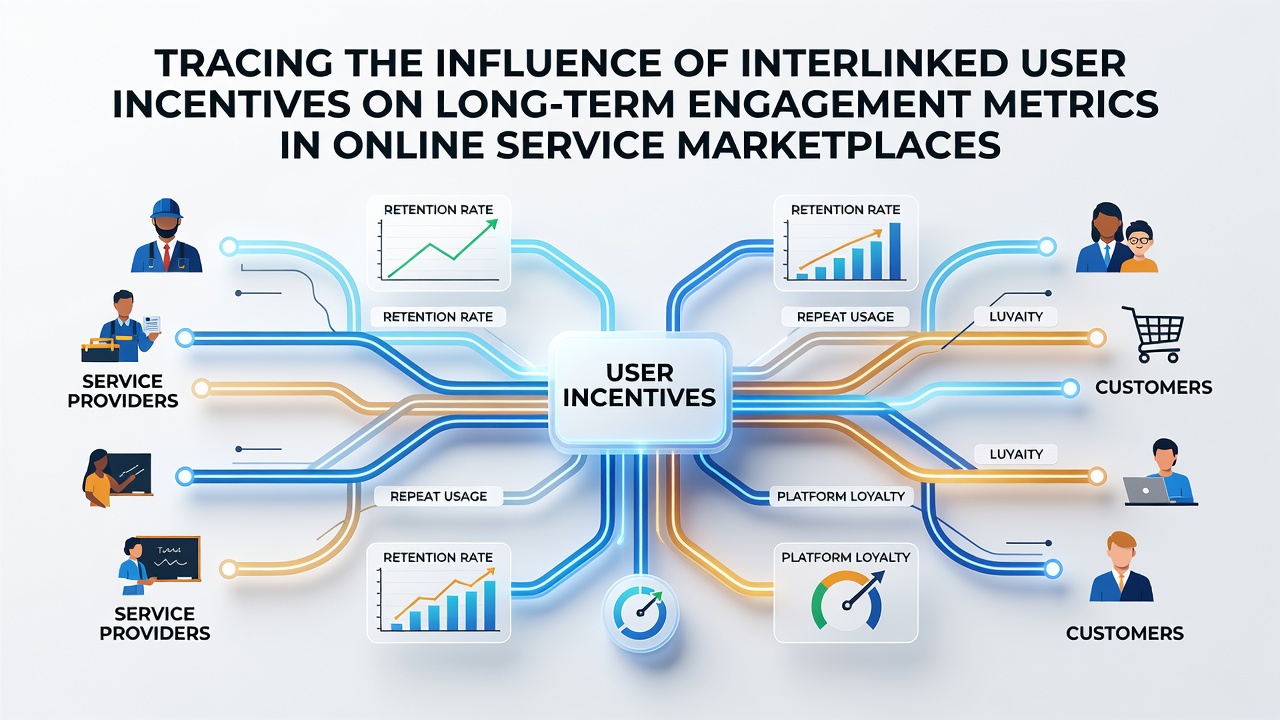
Online service marketplaces rely on layered incentive structures that connect referral bonuses with loyalty rewards and usage-based credits, creating feedback loops that influence how participants return over extended periods. Researchers tracking these systems across platforms like freelance exchanges and on-demand labor apps observe that when one incentive triggers another through shared user networks, retention curves shift in measurable ways.
Mapping Incentive Connections
Interlinked incentives operate when a new user signs up via an existing member's referral code, then both parties receive credits that apply toward future transactions while the platform logs cumulative activity for tiered rewards. Studies from multiple regions show these chains extend beyond single interactions because each reward category feeds data back into personalized offers. Observers note that platforms adjust matching algorithms based on accumulated engagement points, which in turn affects visibility for service providers and response times for clients.
Data from platform analytics indicate that users who complete a referred transaction within the first week maintain higher session frequencies at the three-month mark compared with those entering through standard registration. The European Commission report on digital platform dynamics highlights how such linkages appear across gig economy services in member states, where cross-border users exhibit distinct patterns once incentives span multiple currency and regulatory environments.
Measuring Engagement Over Time
Long-term metrics include repeat transaction rates, average time between sessions, and the proportion of users who transition from occasional to frequent participants. When incentives interlink through referral trees and loyalty tiers, platforms record changes in these figures as users unlock successive reward levels. Research indicates that engagement often peaks after the second or third linked reward, then stabilizes if the platform maintains consistent value delivery without abrupt changes to terms.
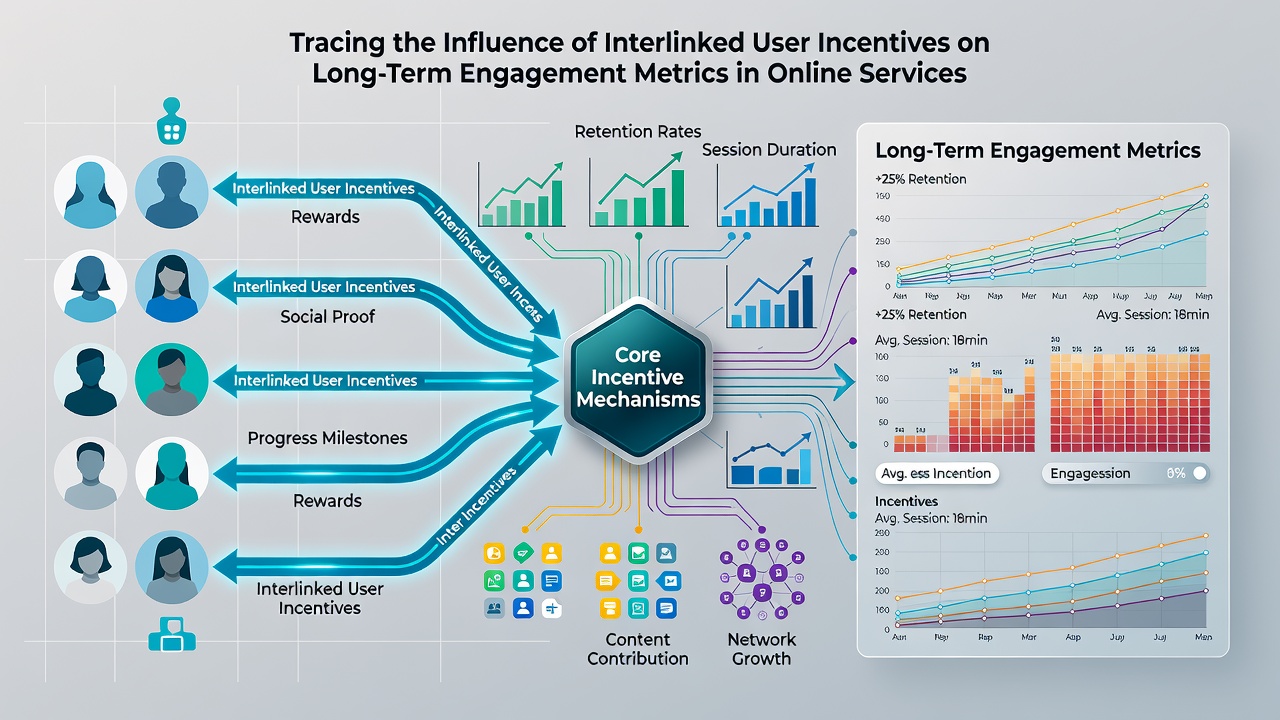
Figures released in September 2026 from the OECD Digital Economy Outlook track similar developments across participating economies and reveal that marketplaces combining referral credits with usage streaks sustain higher cohort retention than those relying on isolated discounts. These patterns hold across both consumer-facing and business-oriented services, although the rate of decay differs when geographic reach expands.
Platform-Specific Patterns
Freelance marketplaces demonstrate one set of outcomes where providers accumulate badges tied to client referrals while clients earn credits for consistent project postings. The resulting data loops allow platforms to predict churn risk more accurately and intervene with targeted offers. Ride and delivery services show parallel effects when driver bonuses connect to passenger referral codes, producing denser activity clusters in urban zones during peak hours.
According to analysis by the Australian Competition and Consumer Commission, these interconnected systems generate traceable network effects that extend engagement windows beyond initial acquisition campaigns. Platforms that monitor cross-incentive usage report steadier growth in monthly active accounts when reward eligibility criteria remain transparent and achievable within realistic usage volumes.
Challenges in Attribution
Attributing engagement gains solely to interlinked incentives requires separating external factors such as seasonal demand shifts and competing platform offers. Researchers apply cohort analysis and survival modeling to isolate the contribution of chained rewards from broader market movements. Results consistently show that while direct causation remains difficult to isolate, correlation strength increases when multiple incentive types activate within the same user journey.
Those studying platform logs find that users who interact with at least two linked incentive types within a 30-day window display lower attrition rates at the six-month and twelve-month intervals. The patterns appear stable across different service categories even as absolute numbers vary by market maturity.
Conclusion
Tracing interlinked user incentives reveals systematic relationships with long-term engagement metrics across online service marketplaces. Data from international sources including the OECD and regional regulators demonstrate measurable associations between chained reward structures and sustained user activity. As platforms continue refining these mechanisms, the resulting metrics provide ongoing material for analysis of retention dynamics in digital environments.